Hearing loss and tinnitus
- Hearing loss is a common contributor to tinnitus British Tinnitus Association. Hearing aids and tinnitus. September 2019. Available at: https://www.tinnitus.org.uk/he… (accessed January 2022);
- Experts recommend trying hearing aids if you have tinnitus and a hearing loss Tunkel DC, et al. Otolaryngol Head Neck Surg. 2014;151(2):S1–40; Cima RFF, et al. HNO. 2019;67(1):10–42;
- How hearing aids relieve tinnitus is not fully understood, but there is strong scientific evidence that they provide relief Hoare DJ, et al. Cochrane Database Syst Rev. 2014;(1) doi:10.1002/14651858.CD010151.pub2;
- Some hearing aids have inbuilt ‘tinnitus sound generators’ (TSGs) that produce background or white noise to soothe tinnitus by giving your mind something else to focus on1
- To get help, contact your GP or Audiologist (if you are already under the care of an NHS Audiology Department) British Tinnitus Association. Is there a cure for tinnitus? June 2017. Available at: https://www.tinnitus.org.uk/FA… (accessed January 2022);
- All danalogic hearing aids have inbuilt TSGs, to help support people with tinnitus
Since tinnitus and hearing loss are sometimes linked, wearing a modern hearing aid for tinnitus can be an effective tinnitus treatment. Around 80% of people suffering from tinnitus also have hearing loss. British Tinnitus Association. Tinnitus and severe-profound hearing loss. August 2021. Available at: https://www.tinnitus.org.uk/ti… (accessed January 2022); If you have tinnitus and a hearing loss, however mild, hearing aids may provide relief. Sereda M, et al. Cochrane Database Syst Rev. 2018;(12) doi:10.1002/14651858.CD013094.pub2; Although hearing aids should not be considered a cure, Searchfield GD, et al. Front Digit Health. 2021;3:724370; experts and the British Tinnitus Association recommend trying them. British Tinnitus Association. Tinnitus and hearing aids. April 2019. Available at: https://www.tinnitus.org.uk/Ha… (accessed January 2022);
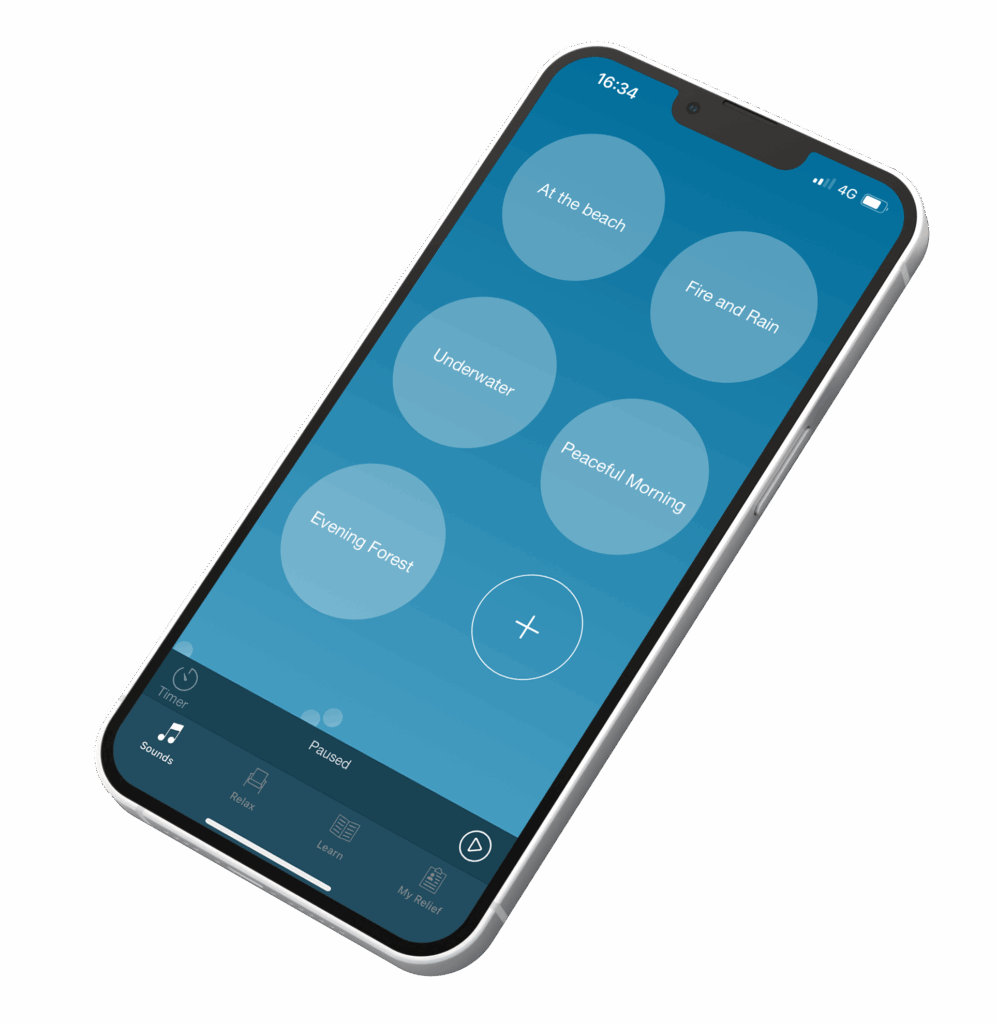
Relief app
No matter how you hear or experience tinnitus, the Relief tinnitus app helps you to manage your symptoms easily and discreetly. The app offers a combination of sound therapy, relaxing exercises, meditation, and guidance, so you can focus on the sounds that matter. It also allows you to create your own soundscapes from environmental sounds and small pieces of music, layering up to five sounds. For instance, using your smartphone or tablet and your Bluetooth wireless speaker headset, you can use the Relief app and get tinnitus relief at your fingertips.
Get the Relief AppLiving With Tinnitus
Read our Living With Tinnitus Guide to find out what might help relieve tinnitus, how to find reliable information and connect with others who also have tinnitus.
Download Living With Tinnitus Guide
Expert insight: How hearing aids can help manage tinnitus
“Hearing aids are one of the most powerful tools for managing tinnitus. As well as addressing hearing loss, many people don’t realise their hearing aids have built-in sound enrichment – providing low-volume background noise that helps train your brain to ignore your tinnitus. Speak with your audiologist about the tinnitus features and see if it’s the right sound for you.” – Danny Knight, Partnerships manager, Tinnitus UK. For information on sound enrichment, hearing aids and more practical tips, plus one-on-one tinnitus support, visit tinnitus.org.uk
Find freedom from tinnitus
If you have tinnitus, it is important to talk to your GP or Audiologist. British Tinnitus Association. Is there a cure for tinnitus? June 2017. Available at: https://www.tinnitus.org.uk/FA… (accessed January 2022); Audiologists have the necessary training and equipment to thoroughly assess your tinnitus, and to provide you with expert recommendations to help you find relief. Northern JL. Audiol Res. 2011.1(1):e20l; National Institute on Deafness and Other Communication Disorders. Hearing Aids. July 2015. Available at: https://www.nidcd.nih.gov/site… (accessed December 2021). As many people with tinnitus have some degree of hearing loss it’s a good idea to have your hearing checked also. Tunkel DC, et al. Otolaryngol Head Neck Surg. 2014;151(2):S1–40; British Tinnitus Association. All about tinnitus. July 2019. Available at: https://www.tinnitus.org.uk/Ha… (accessed January 2022);
If you have been diagnosed with tinnitus and a hearing loss, your Audiologist may recommend that you try wearing one or two NHS hearing aids. British Tinnitus Association. Is there a cure for tinnitus? June 2017. Available at: https://www.tinnitus.org.uk/FA… (accessed January 2022); All Danalogic GN NHS hearing aids have inbuilt sound generators, specifically designed to help relieve tinnitus, in addition to supporting hearing loss:
-
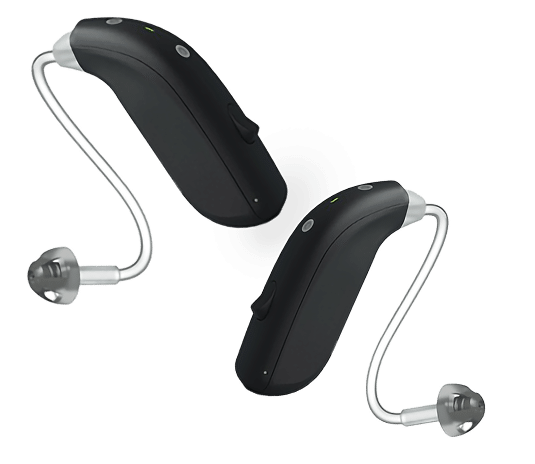
Danalogic Extend
Danalogic Extend offers the latest innovations in sound quality and connectivity, in a CROS BTE, standard BTE, and Power BTE. ...
-
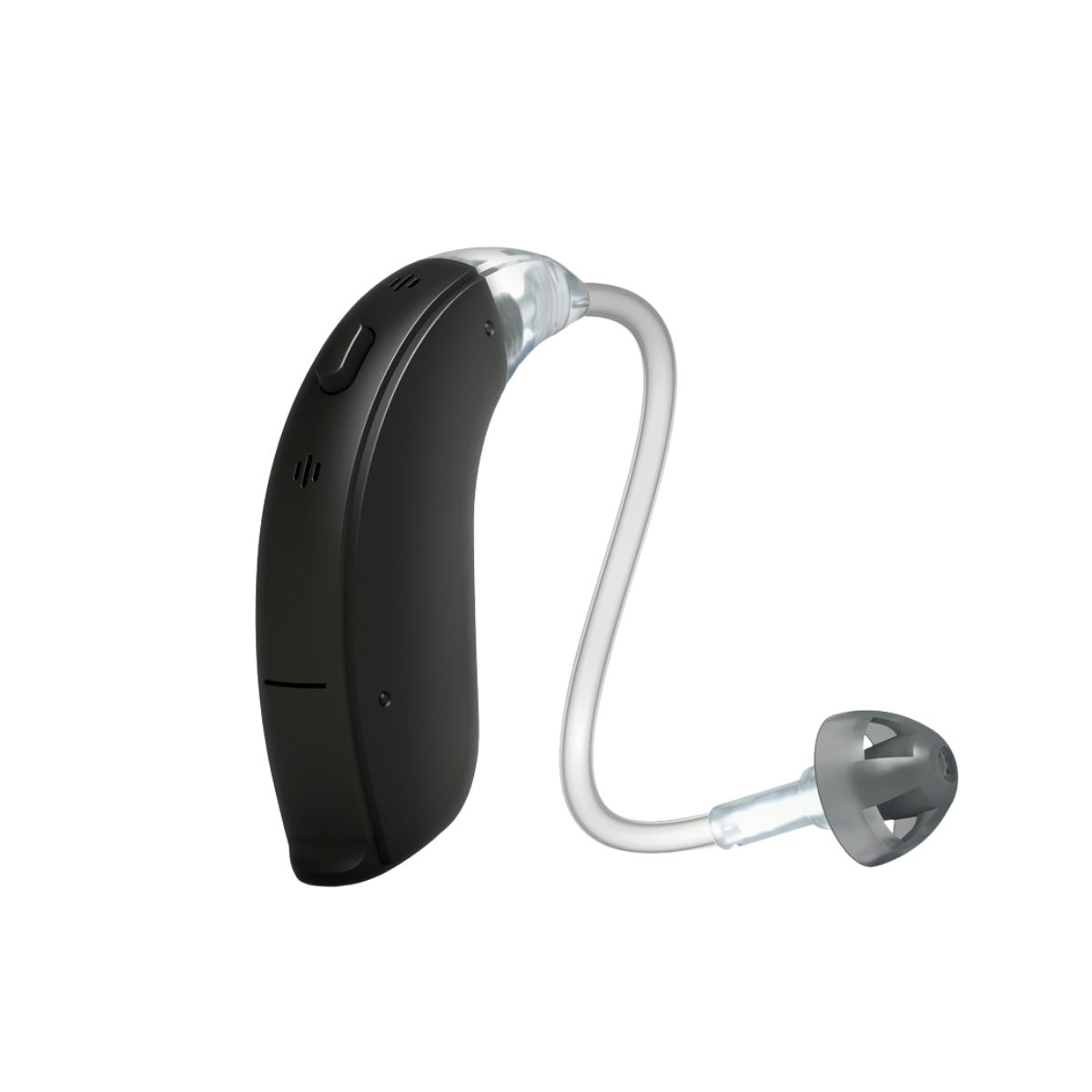
danalogic Ambio Smart
Ambio Smart- Inspired by you. All of the great features of Ambio with even better sound quality and Bluetooth Audio Streaming....
-
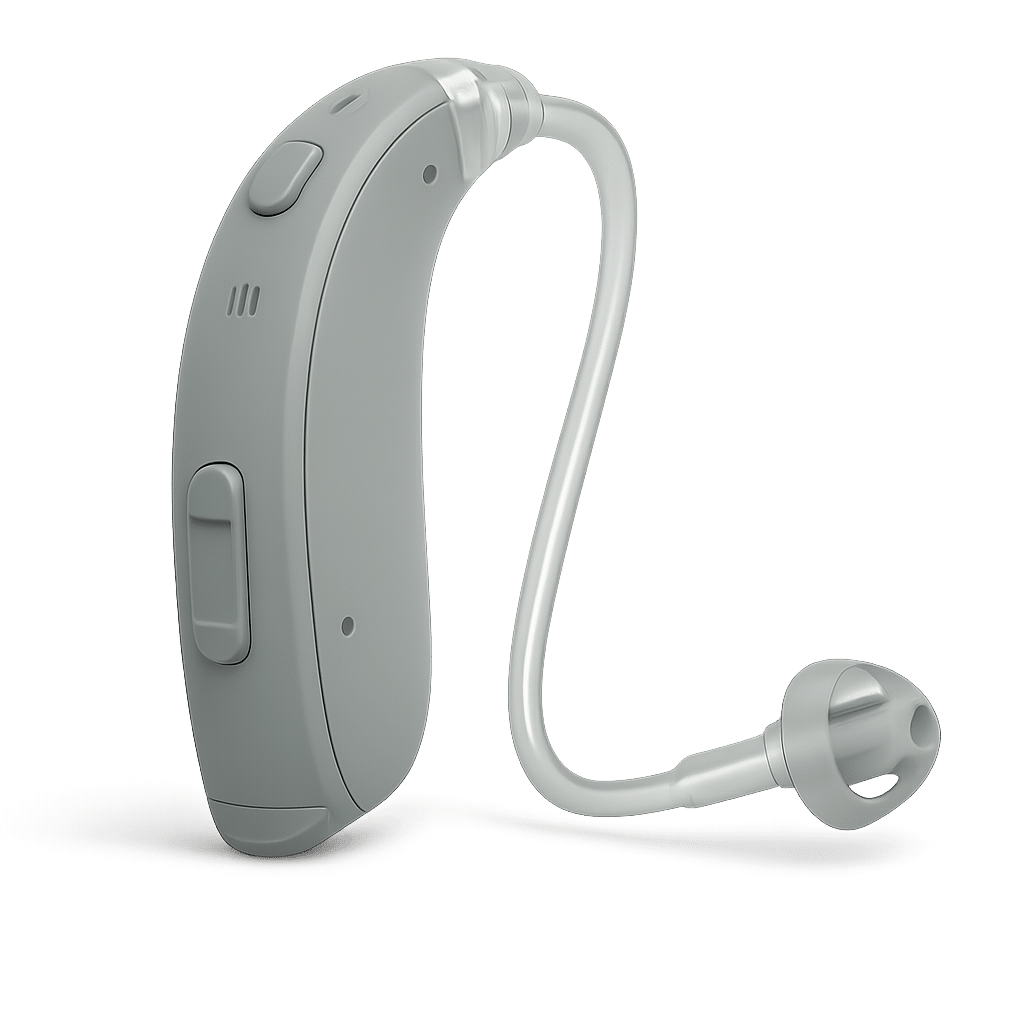
danalogic Ambio
danalogic Ambio range, developed with and for the NHS Created with audiologists the Ambio ecosystem is a unique product portfolio designed exclusively...
How can hearing aids help with tinnitus relief?
With Sound Therapy, the TSG device is set at a volume at which the tinnitus is partially covered (and not masked completely) by the sound generated by the TSG device. This could be white noise, specialised ear masking noises, low-level music or even your own customised sound. Think of a candle in a dark room. Since there’s such a contrast between the candle and its dark environment, the candle really stands out. But the same candle in a well-lit, busy room blends into the background. The same is true for tinnitus. The introduction of other sounds masks the tinnitus so that it blends in with the background and is less prominent.
Auditory stimulation can provide tinnitus relief for a short period of time. A great variety of sounds can be used, including music with different types of filtering, amplitude-modulated sounds with different frequencies, or various noise stimulations. If you don’t have special hearing aids for tinnitus masking, the Relief app offers a combination of sound therapy, relaxing exercises, meditation, and guidance, which can be streamed directly to your hearing aids. It can be used by all people suffering from tinnitus. If you don’t have hearing aids with Bluetooth technology, you can connect your smartphone or tablet to a headset and be on your way to a more comfortable life with tinnitus.
Loud tinnitus can make it difficult for people to participate in a conversation. The best hearing aids for tinnitus help by augmenting external sound above the perceived volume of tinnitus. Improving communication with one’s surroundings may help reduce symptoms of stress and anxiety often associated with auditory fatigue, having to listen intently throughout the day.
Some hearing aids include ‘sound generator’ programmes. You may hear these referred to as ‘combination’ hearing aids, as they have everything you need in a single, compact package. These combination hearing aids produce quiet background noises to soothe your tinnitus, by giving your mind something else to focus on.
Alongside hearing aids, there are several other tinnitus treatment options available to relieve tinnitus. These include sound therapy, counselling, and relaxation. But you don’t have to pick one approach – they can all be used to support you. Tinnitus management programs aim to teach the brain to be less distracted by tinnitus sounds, while learning to focus on other, more important things in life. Addressing stress with anti-anxiety measures like listening to soothing/calming sounds, exercise, and meditation can also be an effective form of tinnitus treatment. Because tinnitus is unique from person to person, it’s important to find the best hearing aids for tinnitus for you, as well as a treatment plan that is individualised to your personal needs.
FAQs
With Sound Therapy, the TSG device is set at a volume at which the tinnitus is partially covered (and not masked completely) by the sound generated by the TSG device. In the unlikely case you do experience your hearing aids for tinnitus making your tinnitus worse, it’s important that you consult your Audiologist. Tinnitus is unique from person to person, but with help from your Audiologst, you can find the right hearing aids for tinnitus to help manage your tinnitus symptoms.
Hearing aids for tinnitus masking can help alleviate tinnitus by masking the internal ringing. By amplifying natural environmental sounds, hearing aids for tinnitus can make the unpleasant ringing of tinnitus less prominent. Specially designed programs in hearing aids for tinnitus allow you to play various sounds that can also help you move your attention away from your tinnitus.
Hearing aids for tinnitus masking are not a cure, for tinnitus, but they can help alleviate symptoms. Although your tinnitus may not go away entirely, there are many ways to take control of your tinnitus and reduce its impact on your life. An Audiologist can help you manage your symptoms through education, counselling, and sound therapy.
The best hearing aids for tinnitus are designed to deliver relief from the ringing in your ears. By subtly amplifying background noise to help reduce the awareness of tinnitus, your brain can focus on the sounds you want to hear, instead of the sound of your tinnitus.
There’s no cure for most types of tinnitus, but there are tinnitus management options that can give you relief.
Looking for support?
If you are looking for support with your hearing aid, please visit our dedicated hearing aid support page, where you will find a wide range of documents and videos.
Hearing Aid supportAre you an NHS Audiologist?
If you would like more information about Danalogic NHS hearing aids, wireless accessories and apps, or to book a visit from our team, please get in touch. You can also explore our Professional Portal to access useful support materials.
Contact us